Underground Parking Ventilation: CO, Jet Fans, Smoke Control

A car park is not a warehouse: exhaust gases, low soffits and a fire mode. How a working scheme is built.

Underground parking is sized separately from warehouses and offices. Day-to-day duty is diluting exhaust (CO and other gases) and killing dead pockets between aisles. Fire mode is smoke extract — different airflow, fans and dampers.

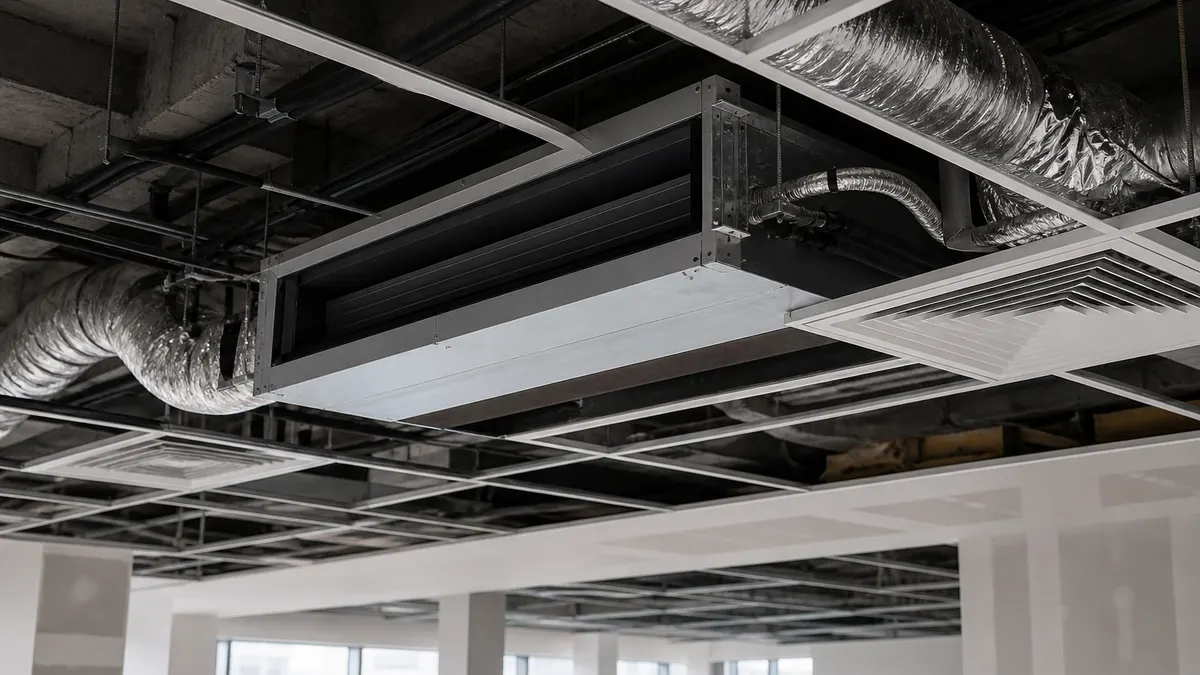
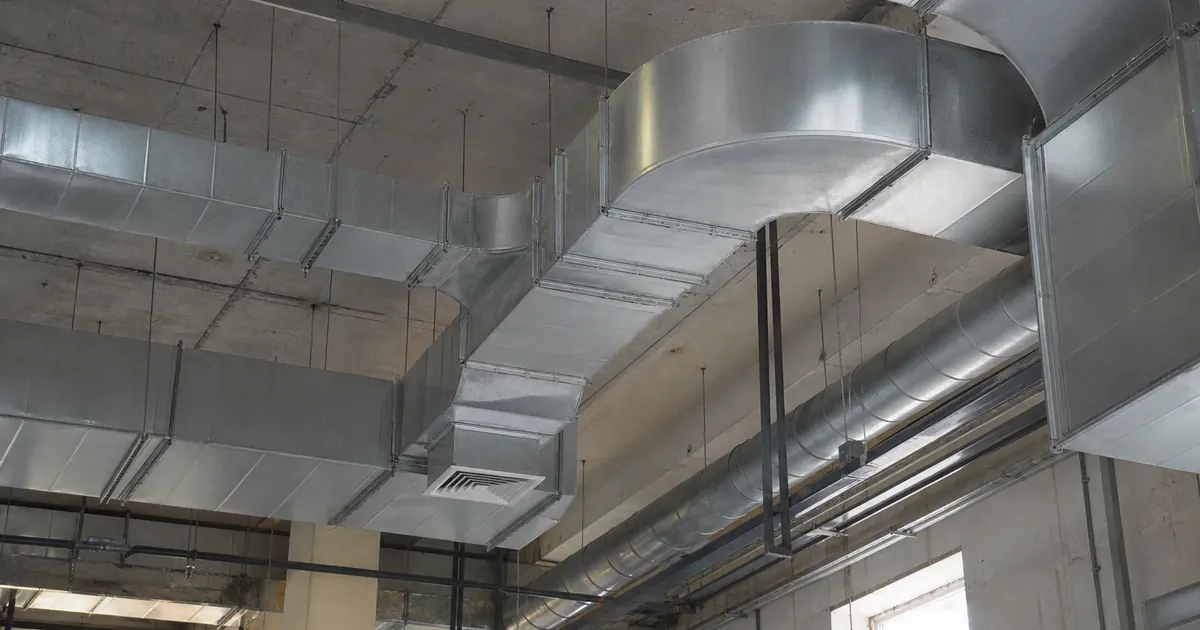
A common layout: supply/exhaust by floor volume plus ceiling jet fans that push air toward extract shafts. Without jets, one big roof fan leaves gas pockets at far walls.

CO sensors and controls are the operating logic — fans should not run 24/7 at full speed. Setpoints, standby and fire-alarm interlock belong in the design, before bay markings make rework expensive.

Aurum Prodest designs and installs parking ventilation: in-house ducts, shafts, jets, controls and commissioning, with general and smoke modes coordinated.

Need a parking layout or quote — engineer visit after survey. Telegram @V_Sergey1980, +998 93 389 58 59. Work warranty up to 5 years.
Need a quote or install?

Leave a request — an engineer will reply during business hours.
More articles

VRF / VRV

Why VRF Is Not Cooling: Install and Commissioning Faults

VRF / VRV

VRF vs Multi-Split for a 200–1000 m² Office

Heating

Freeze Protection for Water Heating Coils

Heating

Warehouse Dock Air Curtains: Why and How to Size Them

Heating

Water Coil vs Electric Heater for Supply Air

Ventilation

How to Select an Air Handling Unit (AHU) for a Building

Ventilation

Ventilation Commissioning, Balancing and System Passports

Ventilation

Smoke Extraction and Pressurization: When It Is Mandatory

Ventilation

Warehouse Ventilation: Standards, Layouts and Common Mistakes

Ventilation

How Much Does Ventilation Installation Cost in Tashkent — 2026

VRF / VRV

Turnkey VRF / VRV Installation: Stages, Timelines and Mistakes

Air conditioning

Air Conditioning System Design: What a Proper Project Includes

Ventilation

Turnkey Supply-Exhaust Ventilation: Office, Restaurant, Plant

Air conditioning

Ducted Air Conditioner Installation: From Load Calc to Startup

Fabrication

Custom Air Ducts in Tashkent: Lead Times, Sizes, Delivery

Air conditioning

Workshop Heat Balance: Sizing Industrial Air Conditioning

Air conditioning

Air Handling Units for Shopping Malls and Retail Centers

VRF / VRV

Chiller-Fan Coil vs VRF for a Business Center

Air conditioning

Rooftop Unit vs Central System for a Warehouse

Ventilation

Supply Air Handling for Offices in +40°C Tashkent Heat: Cooling Outdoor Air

Ventilation

Healthcare Ventilation: Requirements, Filters and Pressure Zones

Ventilation

Upgrading Legacy Ventilation on an Industrial Site

Ventilation

Heat Recovery in Supply Ventilation: Does It Pay Off in Uzbekistan?

Ventilation

Dusty Shop Ventilation: Filtration and Local Exhaust

Ventilation

Supply and Exhaust Ventilation in Manufacturing: Air Change Rates and Standards

Air conditioning

Why Your AC Is Noisy and How to Fix It

Service

Refrigerant Leak: Signs and What to Do

Ventilation

Restaurant Ventilation in Tashkent: Kitchen and Hall

Air conditioning

How Much Does AC Installation Cost in Tashkent — 2026

Air conditioning

How to Cut AC Electricity Bills

Air conditioning

How to Choose a Split AC for an Apartment in Tashkent

Ventilation

Office Ventilation Design: Where to Start

Air conditioning

Ducted Air Conditioners: When They Beat Wall Splits

VRF / VRV

VRF/VRV for Offices and Hotels: When Multizone Pays Off

Fabrication

Ductwork Fabrication in Tashkent: In-House Shop vs Subcontract

Ventilation

Ventilation Installation: Steps from Design to Commissioning

Air conditioning

Industrial Air Conditioning for Plants and Warehouses

Air conditioning

Column Air Conditioners for Halls and Retail

Service

AC Maintenance Before Summer: Checklist

Heating

Heating Equipment for Winter: Coils and Heaters